Oil Sands Extraction: Mining vs. In-Situ

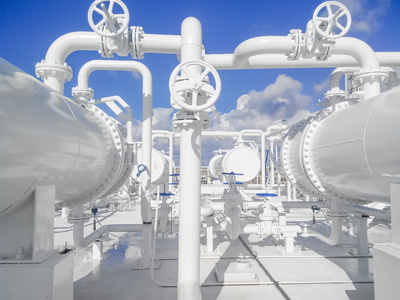
Explore oil sands extraction, from surface mining to in-situ methods, and learn how Canada leads global production. Discover the economics, environmental impacts, and emerging low-carbon strategies shaping the future of this unconventional energy source.

Read More »

U.S. Shale Market Overview

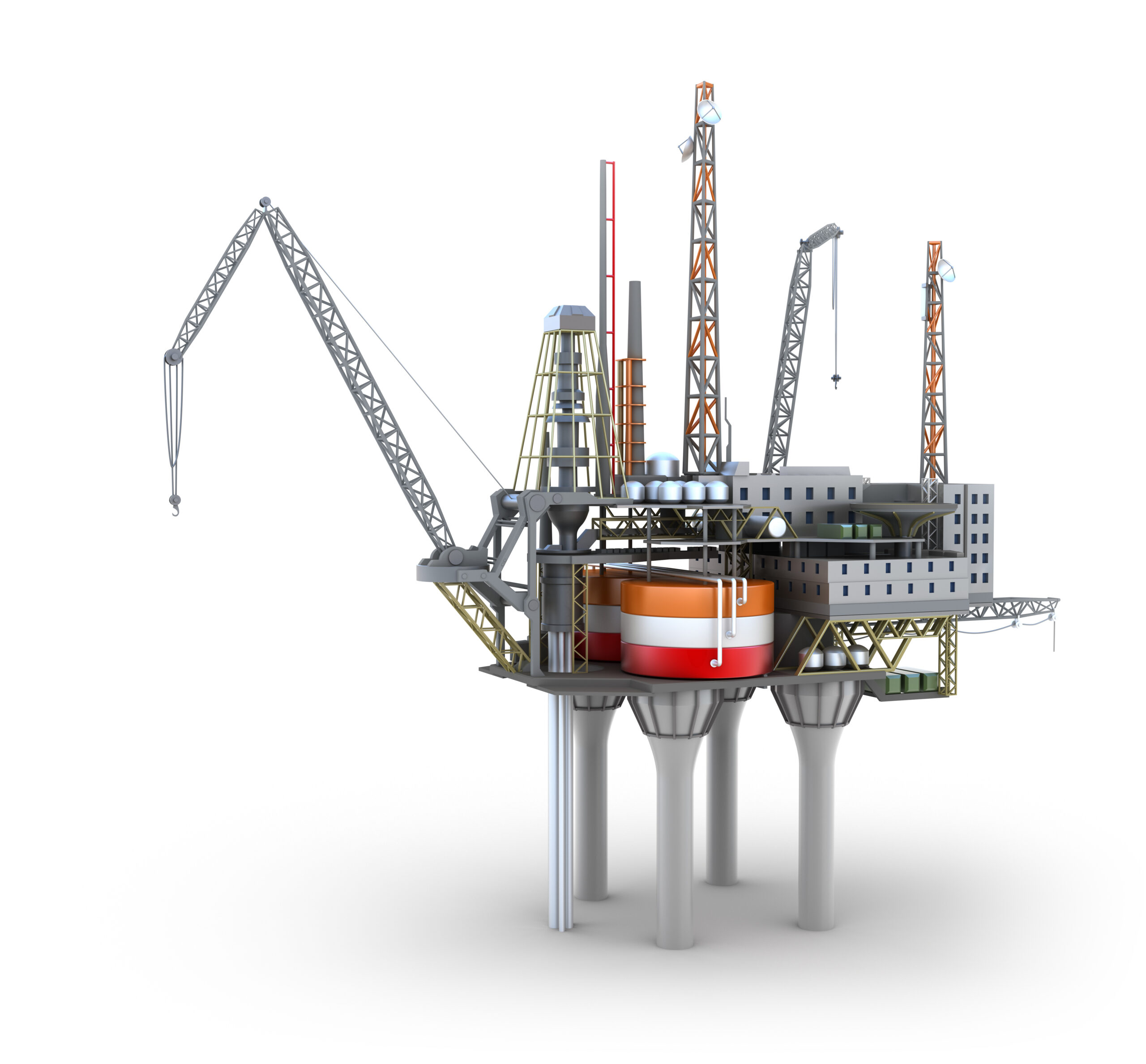
The U.S. shale revolution turned low-permeability rock into the world’s most productive oil source. Learn how shale basins like the Permian and Bakken reshaped U.S. energy independence, technology, and global markets — and how Canada compares.

Read More »

Why Semi-Detailed Models Are Essential for Modern Combustion

Semi-detailed mathematical models bridge the gap between global and fully detailed combustion models. They capture key physical and chemical processes with practical computational efficiency, making them ideal for real-world engineering simulations and environmental performance analysis.

Read More »

The Twin Engines of the Shale Revolution

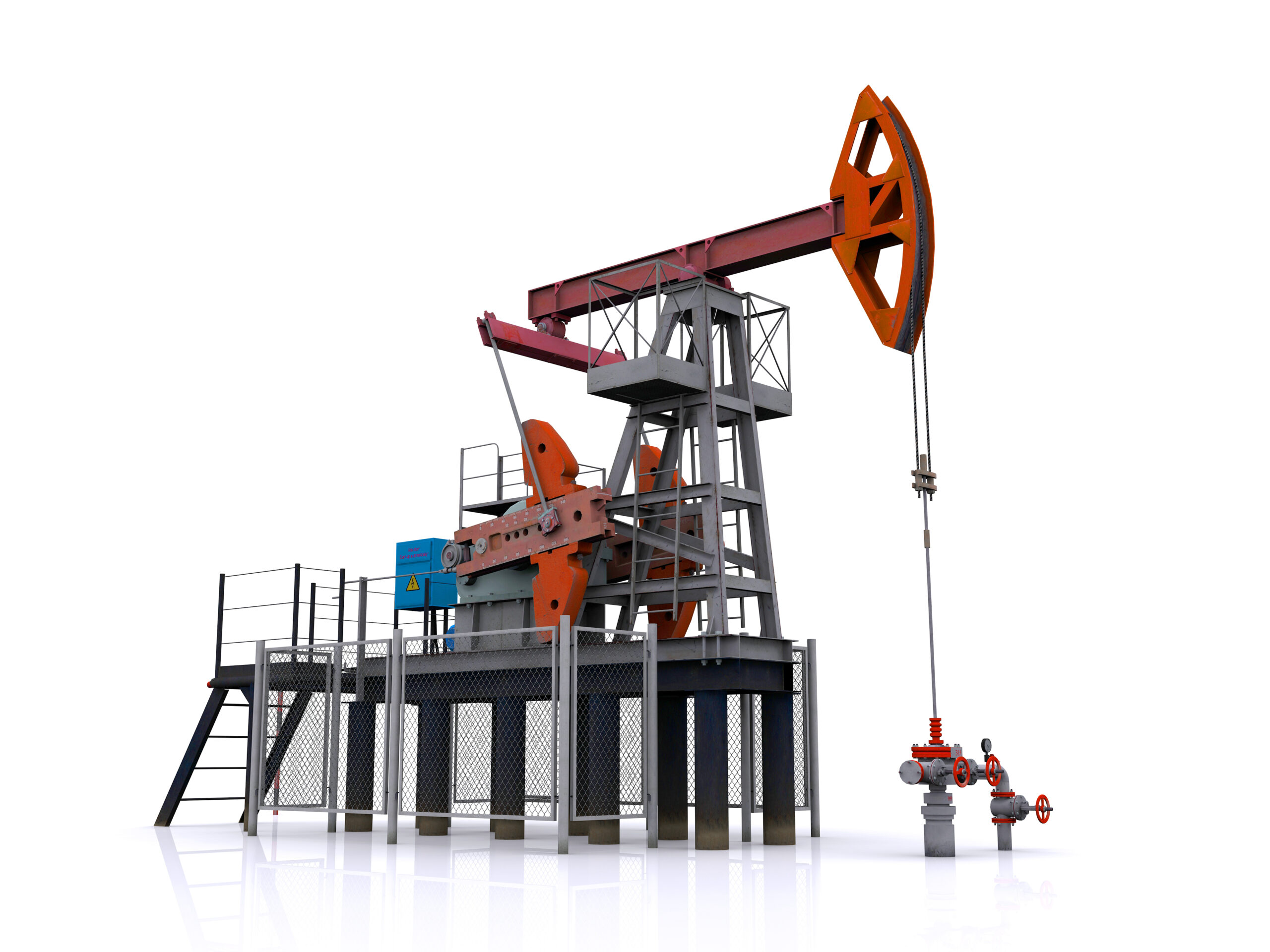
Horizontal drilling and hydraulic fracturing revolutionized U.S. energy production, unlocking vast shale resources and reshaping global markets. This post explores how these technologies work, their economic impact, and how modern methane monitoring is redefining responsible energy operations.

Read More »

Combustion Efficiency vs. Destruction Efficiency

Combustion efficiency and destruction efficiency may sound similar, but they measure different aspects of gas flaring. Understanding both is key to reducing methane emissions, improving flare performance, and meeting environmental standards across oil and gas operations.

Read More »
Emissions Management
  •  Methane Monitoring
  • Operational Intelligence
  • Reporting & Analysis
Scroll to Top